This week on Aspiring Martians, we're back with another installment of Inside the Habitat, our ongoing series exploring the remarkable places around the world where researchers are preparing humans for life on the Moon and Mars.
And this month, we're heading somewhere a little unexpected: Grand Forks, North Dakota.
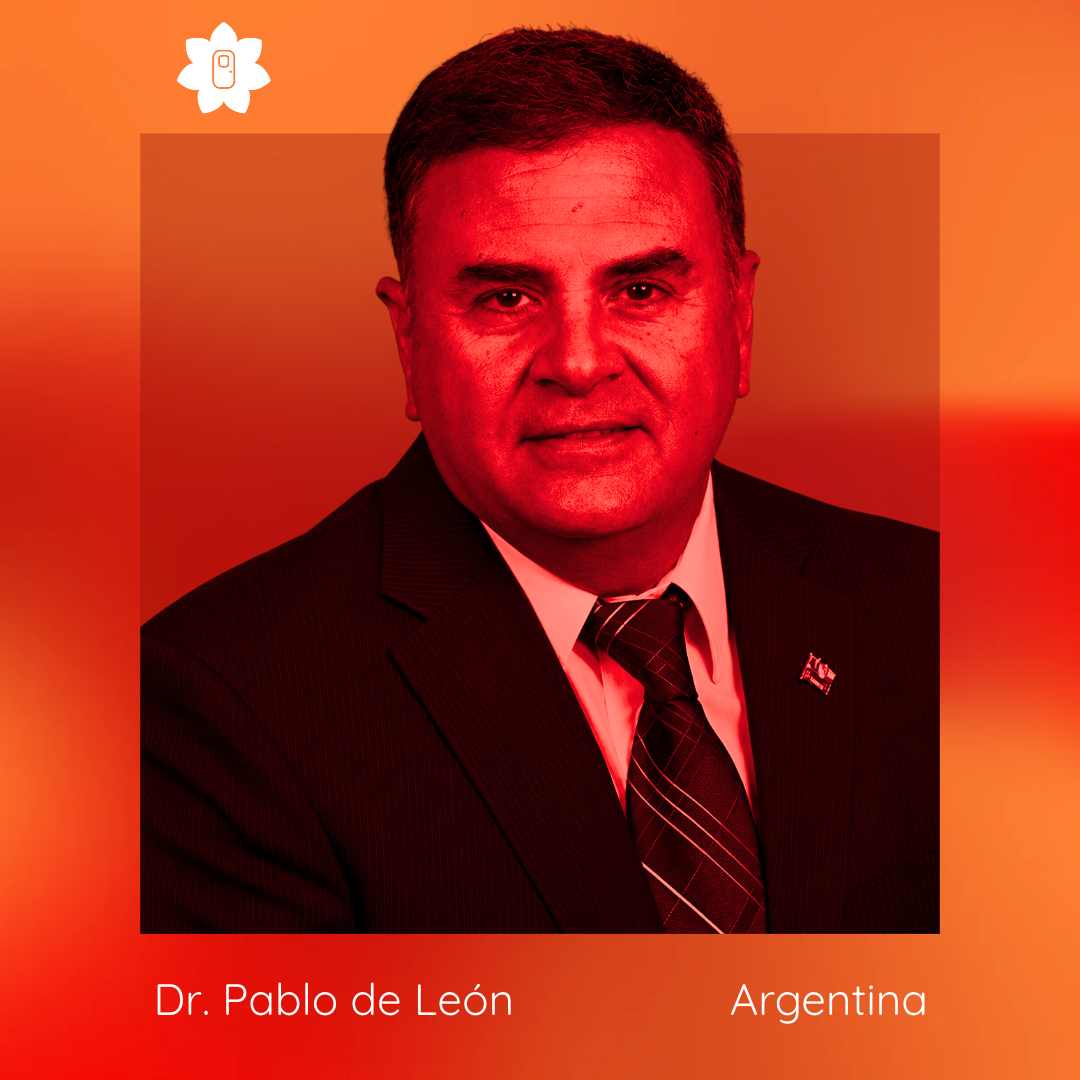
Joining me is Dr. Pablo de León, an aerospace engineer, spacesuit designer, Chester Fritz Distinguished Professor, and director of the Human Spaceflight Laboratory at the University of North Dakota.
Pablo has spent more than three decades working in human spaceflight, helping develop technologies that could one day support astronauts living and working on other worlds.
His passion for space exploration began on a farm in Argentina, where he grew up during the Apollo era and watched humanity take its first steps on the Moon. That childhood fascination eventually carried him to NASA's Kennedy Space Center and, later, the University of North Dakota, where he helped establish an extraordinary research facility.
The Integrated Lunar/Martian Analog Habitat, or ILMAH, is a five-module facility designed to simulate some of the practical, technological, and psychological challenges of living on another planet.
But what makes ILMAH particularly interesting is how its different systems work together.
The habitat features living quarters, research facilities, plant production, exercise equipment, a pressurized exploration rover, and experimental spacesuits equipped with suitports that allow astronauts to enter and exit through the back while reducing the risk of carrying hazardous planetary dust into their living environment.
And throughout it all, researchers are asking questions that extend far beyond the technology itself.
How do people cope with prolonged isolation? What happens when astronauts lose their normal day-night cues? Why do some crew members gravitate toward the greenhouse? How much freedom should astronauts have over their daily schedules? And how can we design planetary habitats around the people who will actually live in them?
We also explore how ILMAH grew from a single experimental module into an integrated research facility, the important role students have played in building it, and some fascinating new research into processing human waste into something useful for future planetary settlements.
Because if humanity hopes to establish a permanent presence on the Moon or Mars, we'll need to learn how to make the most of every resource available.
And according to Pablo, that includes absolutely everything.
Even the things we'd normally prefer to flush away.
From spacesuit engineering and hands-on education to crew psychology, planetary sustainability, and the importance of designing for human needs, this conversation offers a fascinating look at what it really takes to turn a distant destination into somewhere people can call home.