Houston, we have a litter box problem.
Humanity may be figuring out how to send people to Mars, but there's one rather important question we haven't quite addressed: Can we bring our cats?
In celebration of National Cat Day, Everyday Mars returns for a wonderfully furry exploration of what life on the Red Planet might look like for humanity's most independent, occasionally affectionate, and almost certainly most judgmental companions.
After exploring Dogs on Mars with Dr. Clive Wynne and Pets on Mars with Dr. Jamie Foster, we're finally answering the question that's been lurking in the back of our minds: What about cats?
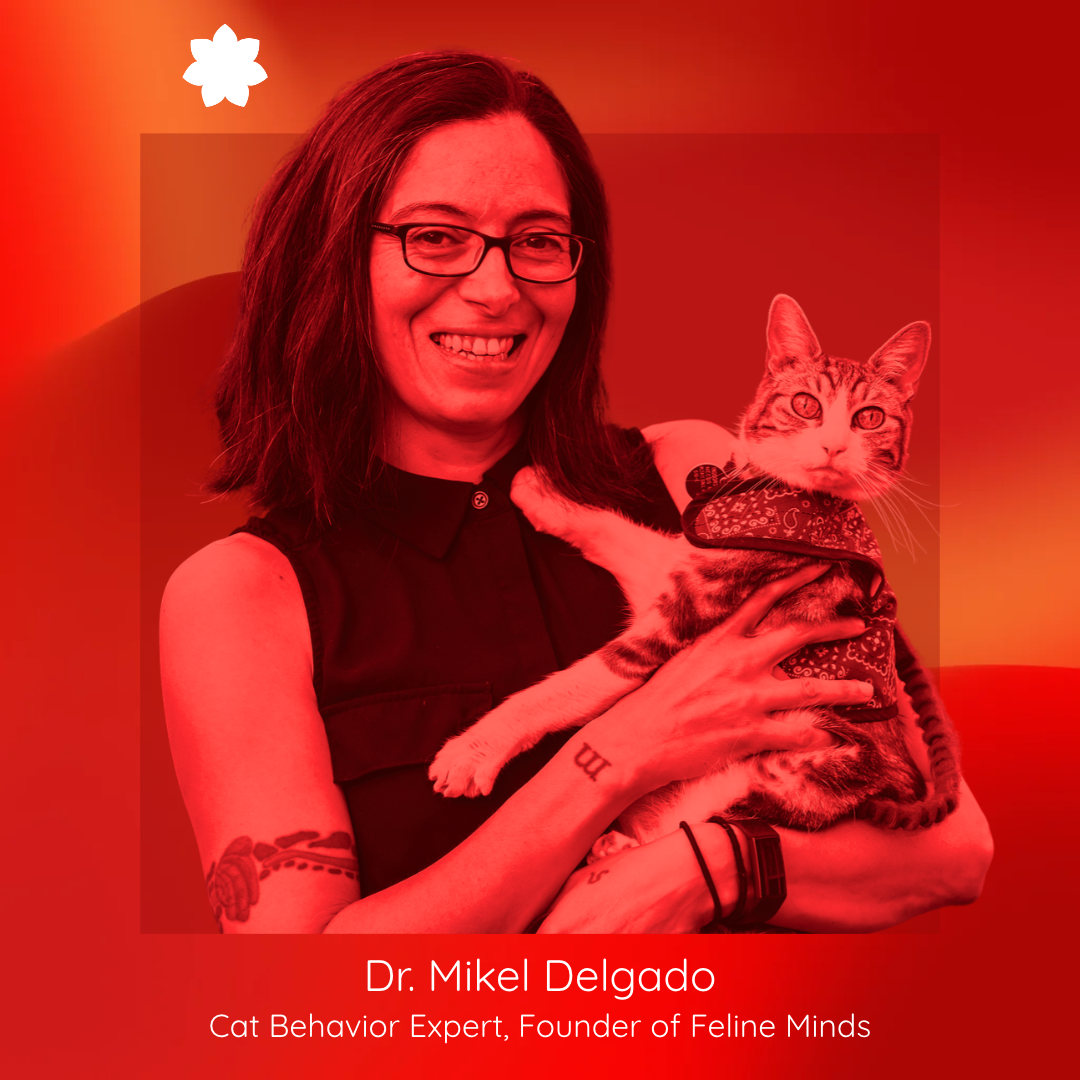
Joining me this month is Dr. Mikel Delgado, a cat behavior expert, researcher, author, and certified applied animal behaviorist who has spent more than 25 years working with cats and their humans. Mikel earned her PhD in psychology at UC Berkeley, conducted feline behavior research at UC Davis, co-founded the cat behavior consulting practice Feline Minds, and wrote Play With Your Cat!
Together, we explore what cats actually need to live happy, healthy lives, and whether those needs could ever be met inside a settlement millions of miles from Earth.
Because while cats might seem like natural candidates for life inside a sealed Martian habitat, getting them there presents some surprisingly complicated problems. How do you train a cat for months of space travel? What happens to kitty litter in zero gravity? How would we feed an obligate carnivore on Mars? And is it even ethical to bring animals into such an unfamiliar and potentially stressful environment?
Along the way, we're diving into the fascinating history of cat domestication, the science of feline behavior and training, how cats bond with humans, whether they really love us, and the extraordinary story of Félicette, the first cat known to have successfully traveled into space.
We also explore catios, cat allergies, the surprisingly recent invention of modern kitty litter, the importance of feline enrichment, and whether future generations could someday encounter an entirely new population of Martian cats.
But beneath all the feline foolishness is a genuinely important question: as humans prepare to build lives beyond Earth, how do we make sure the animals we bring with us can enjoy those lives, too?
Because surviving on Mars is one thing.
Convincing a cat that the multimillion-dollar Martian habitat we built for it is preferable to the cardboard box it arrived in?
That might be the real challenge.
Featuring