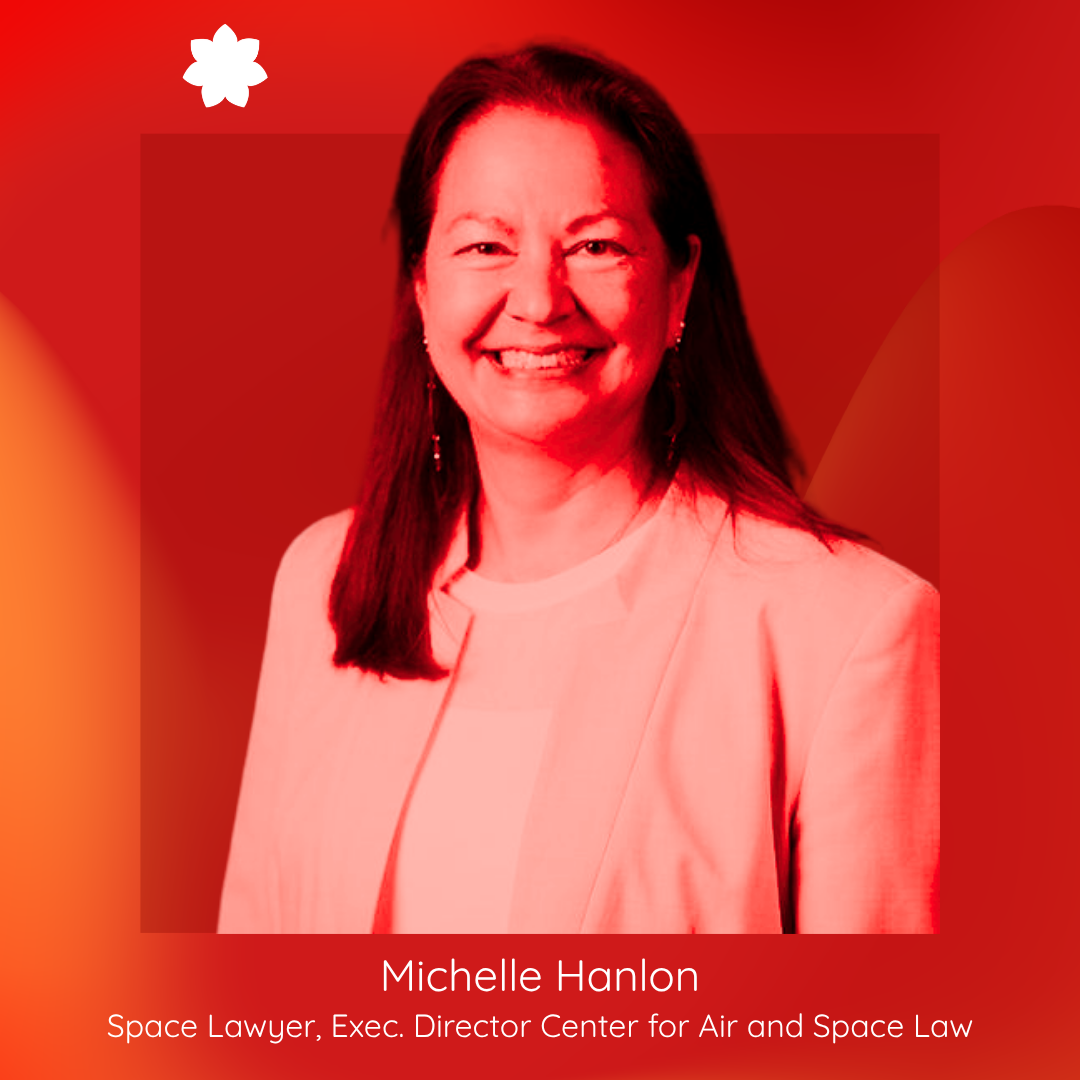
Law on Mars with Michelle Hanlon
Who owns your house on Mars?
What happens if somebody steals your solar panels?
Which laws apply if astronauts from several different countries are living together? And what happens when the first child is actually born there?
This month on our special Everyday Mars episode , space lawyer Michelle Hanlon joins Aspiring Martians to explore one of the strangest and most important questions surrounding humanity's future beyond Earth: how will law actually work on Mars?
Michelle is Executive Director of the Center for Air and Space Law at the University of Mississippi, co-founder and president of For All Moonkind, founder of the Institute on Space Law and Ethics, and Editor-in-Chief of the Journal of Space Law. She has addressed the United Nations, testified before Congress, and become known throughout the space community as the “Godmother of Space Law.”
Together, we begin with the 1967 Outer Space Treaty, the surprisingly short international agreement that still provides the foundation for what nations can and cannot do beyond Earth.
But the really interesting questions begin where the treaty becomes less clear.
Can an individual own property on Mars even if a nation cannot claim Martian territory? Can settlers exclude other people from their habitats? Who prosecutes theft? Which country is responsible when someone breaks the law? How do you regulate oxygen, water, privacy, safety, and working conditions when violating a rule could literally kill your neighbors?
Michelle also explains why Martian law may gradually develop from the bottom up. The earliest settlers will likely remain tethered to Earth and terrestrial legal systems, but their daily experiences could eventually create customs, norms, expectations, and ultimately laws unique to life on another planet.
We also discuss children born on Mars, human rights in space, SpaceX's declaration that Mars should be a “free planet,” whether the first Martian settlements will need constitutions, and Michelle's hope that space exploration could ultimately help humanity move beyond some of the national divisions that define life on Earth.
Because reaching Mars is only the beginning.
Once we arrive, we still have to figure out how to live together.
Featuring