One small step for man. One giant argument at Thanksgiving dinner.
More than half a century after humans first walked on the Moon, we're still trying to convince some people that it actually happened.
So what happens when we finally land humans on Mars?
Welcome to the 100th episode of Aspiring Martians and another installment of Everyday Mars, our monthly series exploring the wonderfully ordinary, unexpected, and occasionally bizarre challenges that could accompany humanity's future on the Red Planet.
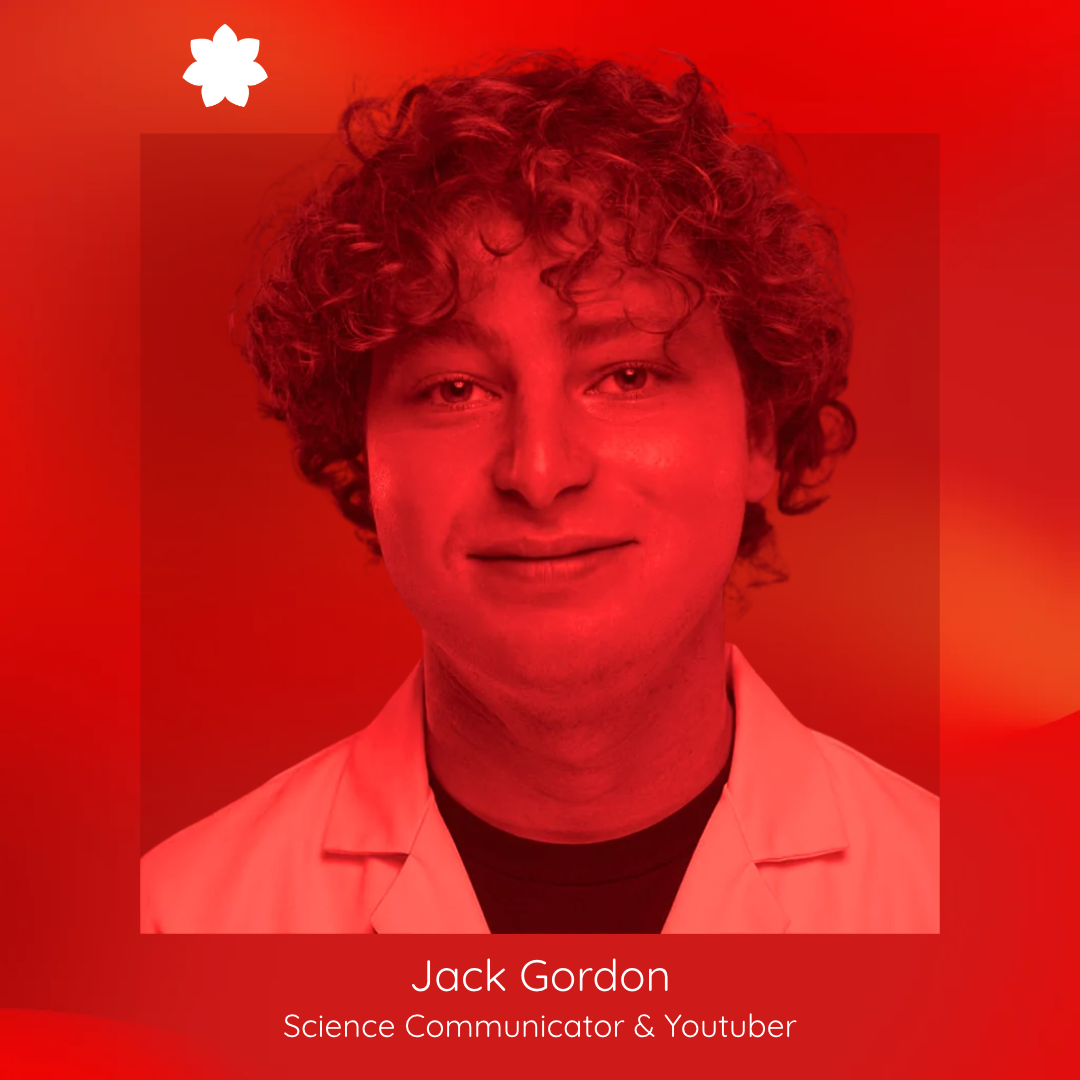
This month, I'm joined by Jack Gordon, a science and space content creator, filmmaker, and YouTuber who has been making videos since he was just eleven years old.
Jack has spent much of his recent career exploring some of the more unusual beliefs surrounding science and space exploration. He's interviewed Moon-landing deniers, taken flat Earthers to NASA facilities, conducted experiments challenging conspiracy theories, and even sat down with Apollo 16 astronaut Charlie Duke to discuss the arguments of people who believe the Moon landings were staged.
But rather than simply dismissing conspiracy theorists, Jack takes an approach that involves getting to know the people behind those beliefs, understanding their perspectives, and presenting evidence in ways that encourage his audience to think for themselves.
And that raises a fascinating question about our future on Mars.
Unlike the astronauts of the Apollo era, the first humans to land on Mars will be doing so in a world where artificial intelligence can generate increasingly convincing videos of events that never happened, Hollywood can create extraordinarily realistic extraterrestrial landscapes, and social media allows misinformation to spread around the world almost instantaneously.
We've already watched Matt Damon grow potatoes on Mars. We've seen fictional Martian settlements, spacecraft, and astronauts brought to life with remarkable visual effects.
So when the real footage finally arrives, will seeing still be believing?
Throughout our conversation, Jack and I explore the psychology of conspiracy theories, institutional distrust, confirmation bias, digital echo chambers, and the challenges of communicating scientific evidence in an increasingly fragmented media landscape.
Along the way, we'll take several research detours into how widespread Moon-landing denial actually is, why conspiracy beliefs can appeal to our most fundamental psychological needs, how digital provenance could help authenticate future images and videos, and the remarkable independent evidence supporting the Apollo Moon landings.
We'll also explore the science of changing people's minds, including a promising approach known as prebunking, which aims to help people recognize misleading information before it takes hold.
Because perhaps preventing a future Mars-landing conspiracy isn't simply a matter of installing more cameras on spacecraft or providing the public with endless amounts of footage.
Perhaps it means making humanity's journey to Mars more transparent, understandable, independently verifiable, and fundamentally human from the very beginning.
And perhaps it also means accepting that we may never convince absolutely everyone.
It's a conversation about evidence, trust, skepticism, technology, human psychology, and what it really means to know that something happened.
And as we celebrate one hundred episodes of Aspiring Martians, I want to extend an enormous thank you to everyone who has listened, shared an episode, supported the show, or joined me in imagining humanity's future on Mars.
Here's to the next hundred!
Featuring